
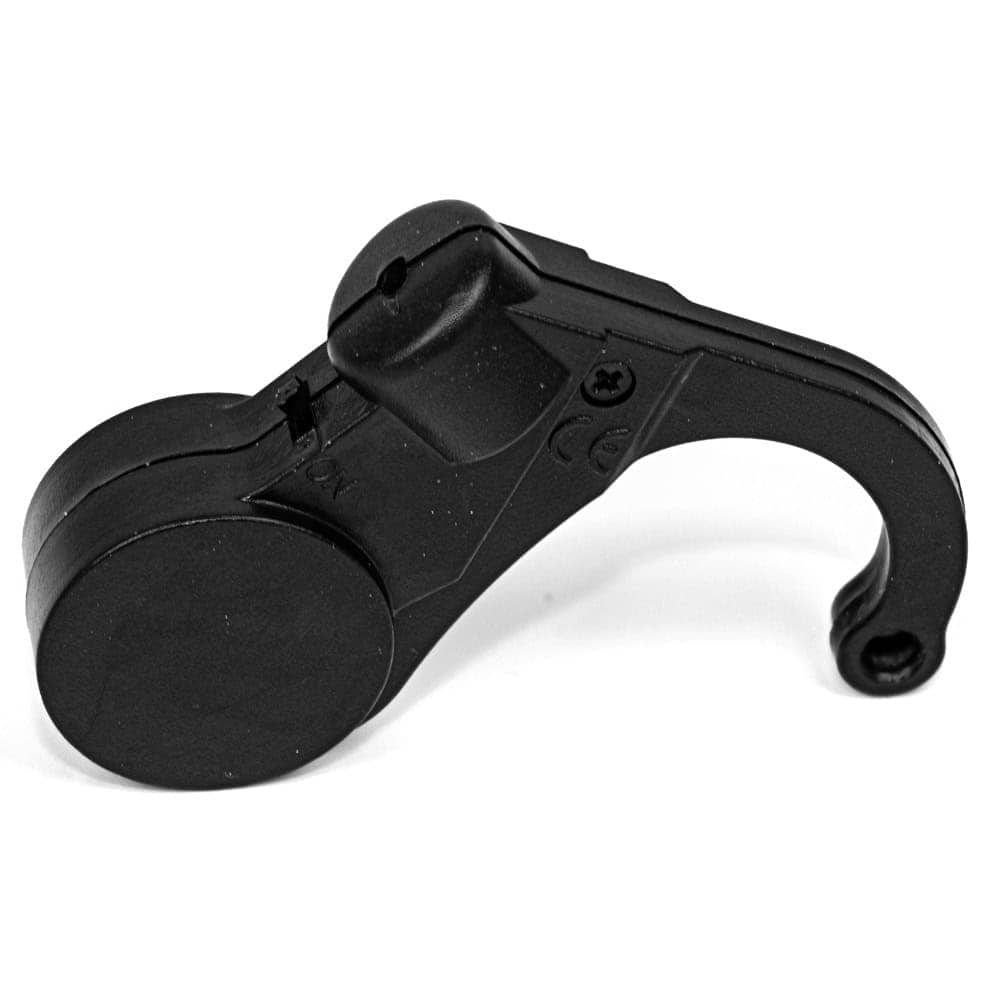

Nap Alarm – Drowsy Driving Alert Device, 80dB Ear-Worn Alarm with Head-Tilt Sensor, Battery Included
Original price was: $9.99.$8.49Current price is: $8.49.
Buy with Confidence
Covered by a 30-Day Money Back Guarantee. If it's not right for you, returns are easy and hassle-free.

Secure checkout • 100% Satisfaction Guaranteed • 30 Day Money Back Guarantee • Easy Returns • Fast Customer Support
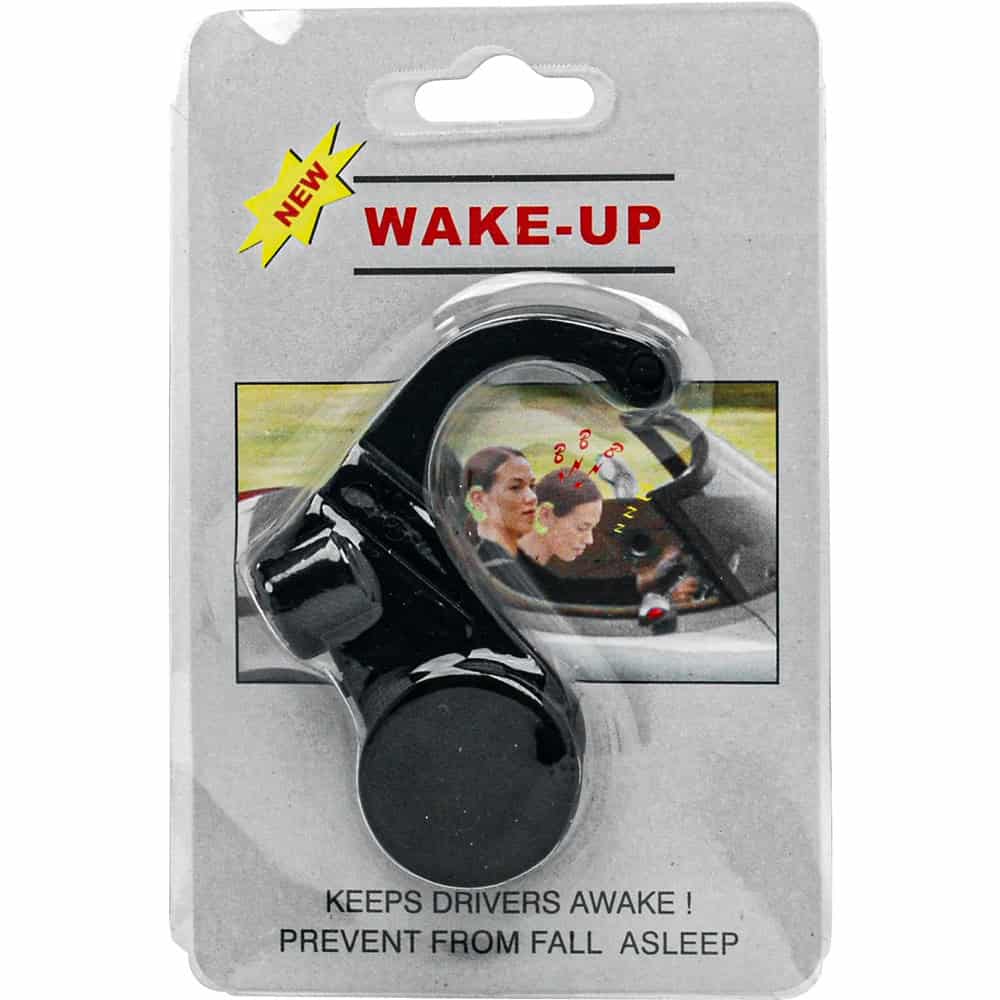
This little device hooks over your ear and sounds an 80dB alarm the second your head starts to nod. If you've ever caught yourself drifting off behind the wheel, this is the cheapest insurance policy you'll ever buy.
- Electronic head-tilt sensor detects when your head drops — alarm sounds instantly
- 80dB alarm in your ear is impossible to sleep through
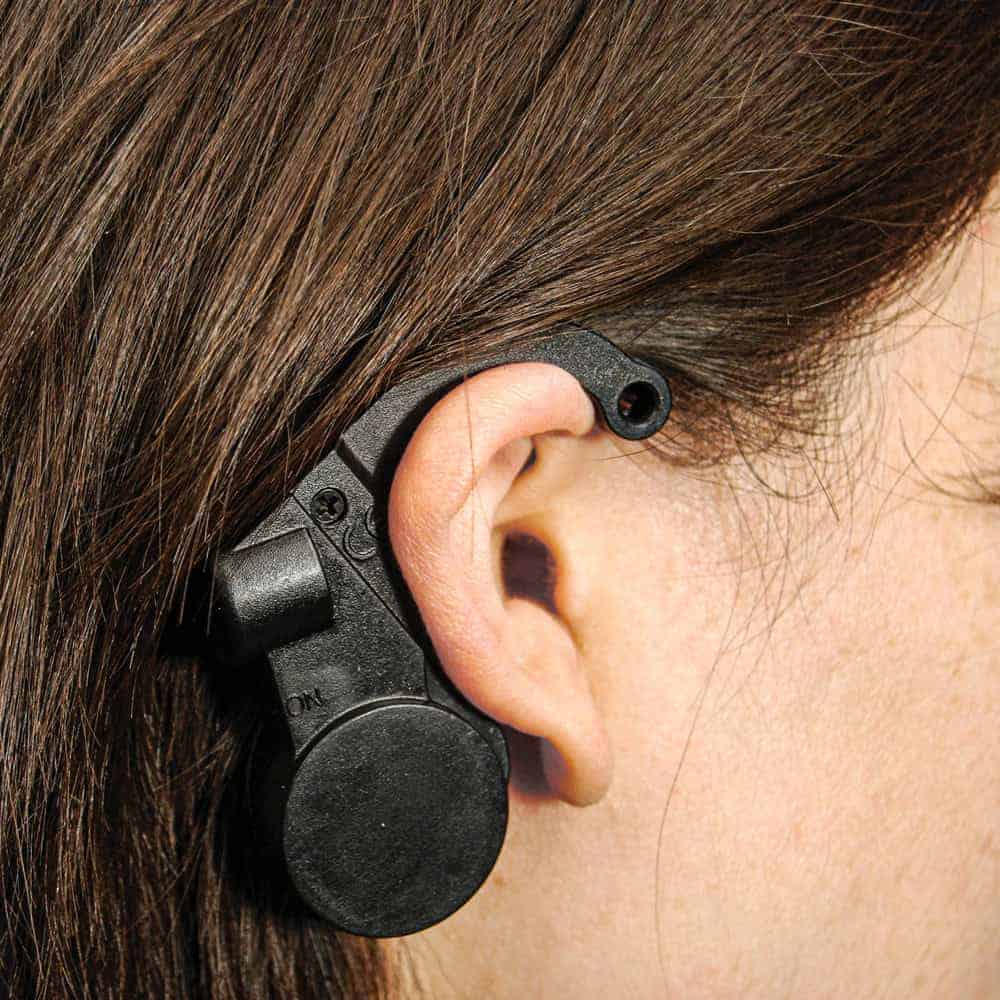
- Hooks over either ear like a Bluetooth headset — lightweight and unobtrusive
- 3 AG3 alkaline button cell batteries included — ready to use right away
- Compact enough to keep in the glove box or center console permanently
Stay Awake Before It’s Too Late
Drowsy driving kills thousands of people every year, and most of them thought they could make it a few more miles. The Nap Alarm doesn’t care how confident you feel — it monitors the position of your head, and the instant it drops forward, an 80-decibel alarm goes off right in your ear. It’s a simple device that solves a deadly problem, and it costs less than a tank of gas.
Who This Alarm Is For
Long-distance drivers, truckers, and anyone who regularly drives late at night or early in the morning. Night-shift workers heading home after 12 hours. Road-trippers pushing through one more state. Students driving home from college at midnight. Security guards and machine operators who need to stay alert during long, monotonous shifts. If your job or your life puts you in a seat where falling asleep could be dangerous, this belongs in your car.
Is This the Right Choice for You?
Choose the Nap Alarm if you want:
- An affordable, no-tech safeguard against falling asleep while driving
- A lightweight device that’s comfortable enough to wear for hours
- Battery-included, ready-to-use protection you can throw in the glove box
Consider something else if you need:
- A personal safety alarm — this doesn’t work as a defensive device
- A permanent in-car system — this is a wearable, not a dashboard unit
How It Works
The Nap Alarm hooks over your ear like a small earpiece. Inside, there’s an electronic tilt sensor that monitors the angle of your head. When you’re alert and upright, it stays silent. The moment your head tips forward — the way it does when you nod off — the alarm fires an 80dB tone directly into your ear. That’s enough to jolt you awake and remind you to pull over, get coffee, or take a break.
It doesn’t need to connect to your phone, it doesn’t need an app, and it doesn’t need charging. Three button cell batteries are included and they last a long time because the device only uses power when the alarm is actually sounding.
Quick Comparison: How Does a Personal Alarm Stack Up?
| Feature | Personal Alarm | Pepper Spray | Stun Gun | Whistle |
|---|---|---|---|---|
| Volume | 120-130 dB ✓ | Not applicable | Audible arc | 80-100 dB |
| Legal Everywhere | Yes — no restrictions ✓ | Some state limits | Some state limits | Yes ✓ |
| Physical Deterrent | No — attention only | Yes — pain, blindness ✓ | Yes — muscle override ✓ | No — attention only |
| Ease of Use | Pull pin or press button ✓ | Aim and spray | Must make contact | Must blow |
| Best For | Kids, seniors, runners | Walking, jogging | Close encounters | Backup signal |
Practical Details
The Nap Alarm measures about 1⅞ by 2¼ by ⅝ inches — roughly the size of a small Bluetooth earpiece. It weighs just 0.06 pounds, so you’ll barely notice it on your ear. Black housing. Comes with 3 AG3 alkaline button cell batteries pre-installed and ready to go. Just hook it on and drive.
Under ten dollars. Could literally save your life on a long drive. Keep one in every vehicle.
Frequently Asked Questions
Is 80 decibels loud enough to wake me up?
When it’s going off right in your ear, absolutely. 80dB is about the volume of a loud alarm clock — and this one is inches from your eardrum. It’s not designed to alert the whole car, just the person wearing it. And it works.
Will it go off if I just look down at the road?
Normal driving head movements won’t trigger it. The sensor is calibrated for the kind of head-drop that happens when you’re losing consciousness — a significant forward tilt. Looking down at the dashboard or checking your mirrors won’t set it off.
Can I use it for things other than driving?
Absolutely. People use these during long study sessions, security shifts, and any situation where staying awake is important. If you need to stay alert and your head might drop, the Nap Alarm will catch it.
| Decibles | 80 db |
|---|---|
| Battery | 3 AG3 Alkaline Button Cell (Included) |
| Color | Black |
| Weight | 0.06 lbs |
| Dimensions | 1 7/8" x 2 1/4" x 5/8" |
Additional information
Related products
-
Sale!

Keychain Alarm with Flashing Light – 130dB Personal Safety Alarm with Pin Activation, 2 AAA Batteries, Blue
Original price was: $9.99.$8.49Current price is: $8.49. Add to cart -
Sale!

Personal Panic Alarm with 130dB Siren & 350-Lumen Strobe – ABS Rubberized Housing, CR2032 Batteries Included, 3 Colors
Original price was: $21.00.$17.85Current price is: $17.85. Select options This product has multiple variants. The options may be chosen on the product page -
Sale!
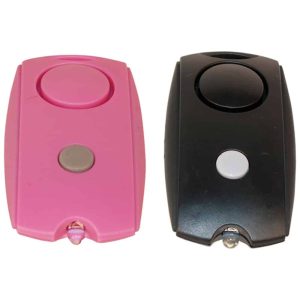
Mini Personal Alarm with LED Flashlight & Belt Clip – 120dB Keychain Alarm, Batteries Included, Black or Pink
Original price was: $9.99.$8.49Current price is: $8.49. Select options This product has multiple variants. The options may be chosen on the product page -
Sale!

2-in-1 Personal & Burglar Door Alarm – 120dB Dual-Mode with Pull Chain Activation, 9V Battery Powered
Original price was: $16.41.$13.95Current price is: $13.95. Add to cart
Reviews
There are no reviews yet.